
Picture this: a vibrant medley of garden-fresh goodness, singing in a pan with a sizzle that promises pure deliciousness. That’s precisely what our healthy sautéed vegetables recipe delivers – a symphony of flavors and textures that’ll make your taste buds dance.
This isn’t just another veggie dish; it’s a celebration of colorful, crisp, and utterly delightful ingredients brought together in perfect harmony. So, grab your apron, sharpen your knives, and let’s dive into this culinary adventure that’s as nutritious as it is scrumptious.
Here are a few reasons why you’ll absolutely adore this healthy sautéed vegetables recipe:
- It’s ready in under 30 minutes, making it a perfect weeknight dinner option for those who are always on the go.
- The combination of seasonal vegetables and savory herbs creates a flavor profile that is both satisfying and incredibly healthy.
- With its vibrant colors and textures, this dish is as visually appealing as it is delicious, making it perfect for entertaining guests.
- You can easily customize it with your favorite vegetables and spices, making it a versatile addition to your weekly meal plan.
Ingredients for Healthy Sautéed Vegetables Recipe
Here’s what you’ll need to make this delicious dish:
The full ingredients list, including measurements, is provided in the recipe card directly below.
How to Make Healthy Sautéed Vegetables Recipe
Follow these simple steps to prepare this delicious dish:
Step 1: Prepare the Vegetables
Wash all the vegetables thoroughly under cold running water. Chop the broccoli into florets, slice the carrots and zucchini into rounds, and dice the bell peppers and red onion. Mince the garlic cloves.
Step 2: Heat the Olive Oil
In a large skillet or wok, heat the olive oil over medium-high heat. Make sure the pan is hot before adding the vegetables to ensure they sauté properly.
Step 3: Sauté the Vegetables
Add the red onion and garlic to the skillet and sauté for about 2-3 minutes, until softened and fragrant. Then, add the carrots and broccoli, as they take longer to cook. Sauté for another 5 minutes, stirring occasionally.
Step 4: Add Remaining Vegetables and Seasonings
Add the bell peppers and zucchini to the skillet. Sprinkle with dried thyme, dried rosemary, salt, and pepper. Continue to sauté for about 5-7 minutes, or until the vegetables are tender-crisp.
Step 5: Finish with Lemon Juice
Remove the skillet from the heat and squeeze fresh lemon juice over the vegetables. Toss gently to combine and brighten the flavors.
Step 6: Serve and Enjoy
Transfer the healthy sautéed vegetables to a serving dish. Serve immediately as a side dish or as a light main course. Enjoy the explosion of flavors and the delightful crunch of the perfectly sautéed vegetables.
Variations and Tips for Healthy Sautéed Vegetables
Want to jazz things up? Here are some fun and easy variations to keep your healthy sautéed vegetables recipe exciting:
Add Some Heat (H3)
Craving a little kick? A pinch of red pepper flakes or a dash of hot sauce can add a fiery dimension to your veggie mix. Start with a small amount and adjust to your spice preference. A diced jalapeño pepper sautéed with the onions and garlic also works wonders.
Boost the Protein (H3)
Make it a complete meal by adding a source of protein. Grilled chicken, turkey breast, or chickpeas can transform this side dish into a hearty main course. Simply toss them in during the last few minutes of cooking to warm them through.
Spice It Up with Different Herbs (H3)
Experiment with different herbs to change the flavor profile. Fresh basil, oregano, or parsley can add a burst of freshness. Add fresh herbs towards the end of cooking to preserve their flavor and aroma.
Get Creative with Veggies (H3)
Feel free to swap out or add any vegetables you like. Mushrooms, asparagus, green beans, or Brussels sprouts are all excellent additions. Remember to adjust the cooking time depending on the density of the vegetables.
A Touch of Sweetness (H3)
A drizzle of honey or maple syrup at the end can add a touch of sweetness that complements the savory flavors beautifully. Be careful not to add too much; a little goes a long way.
Serving Suggestions for Healthy Sautéed Vegetables Recipe
This healthy sautéed vegetables recipe is incredibly versatile and pairs well with a variety of dishes. Here are some serving suggestions to inspire your next meal:
As a Side Dish (H3)
Serve these vibrant vegetables alongside grilled chicken, roasted turkey breast, or baked fish for a balanced and nutritious meal. The colorful presentation will also make your plate look extra appealing.
As a Topping (H3)
Use the sautéed vegetables as a topping for quinoa, rice, or pasta dishes. They add flavor, texture, and a boost of nutrients to any grain-based meal.
In a Salad (H3)
Toss the sautéed vegetables with mixed greens, a light vinaigrette, and some crumbled feta cheese for a refreshing and healthy salad.
As a Filling (H3)
Use the sautéed vegetables as a filling for omelets, frittatas, or wraps. They add a savory and nutritious element to your breakfast or lunch.
With Dips (H3)
Serve the sautéed vegetables with a side of hummus, yogurt dip, or guacamole for a healthy and delicious snack or appetizer.
Nutritional Benefits of Healthy Sautéed Vegetables Recipe
This healthy sautéed vegetables recipe isn’t just delicious; it’s also packed with essential nutrients that are good for your body. Let’s take a look at some of the nutritional benefits:
Rich in Vitamins and Minerals (H3)
The variety of vegetables in this dish provides a wide range of vitamins and minerals, including vitamin A, vitamin C, vitamin K, potassium, and folate. These nutrients are essential for maintaining overall health and well-being.
High in Fiber (H3)
Vegetables are an excellent source of dietary fiber, which promotes healthy digestion, helps regulate blood sugar levels, and keeps you feeling full and satisfied.
Antioxidant Powerhouse (H3)
The colorful vegetables in this recipe are rich in antioxidants, which help protect your cells from damage caused by free radicals. Antioxidants play a crucial role in preventing chronic diseases and promoting healthy aging.
Low in Calories (H3)
This recipe is relatively low in calories, making it a great option for those who are watching their weight. You can enjoy a large serving without feeling guilty.
Heart-Healthy (H3)
The combination of olive oil and nutrient-rich vegetables supports heart health by helping to lower cholesterol levels and reduce the risk of heart disease.
Storing and Reheating Tips for Healthy Sautéed Vegetables Recipe
If you have leftovers, here are some tips for storing and reheating your healthy sautéed vegetables:
Storing (H3)
Allow the vegetables to cool completely before storing them in an airtight container. Refrigerate the leftovers within two hours of cooking to prevent bacterial growth. Properly stored, sautéed vegetables can last in the refrigerator for up to 3-4 days.
Reheating (H3)
The best way to reheat sautéed vegetables is in a skillet over medium heat. Add a little olive oil or water to prevent them from drying out. Stir occasionally until they are heated through. You can also reheat them in the microwave, but they may not be as crisp.
Freezing (H3)
While sautéed vegetables are best enjoyed fresh, you can freeze them for longer storage. Spread the cooled vegetables in a single layer on a baking sheet and freeze for about two hours. Then, transfer them to a freezer-safe bag or container. Frozen sautéed vegetables can last for up to 2-3 months. When ready to use, thaw them in the refrigerator overnight and reheat as described above.
Conclusion: Embrace the Flavors of Health (H2)
So, there you have it – a healthy sautéed vegetables recipe that’s not only incredibly easy to make but also bursting with flavor and nutrients. Whether you’re a seasoned cook or just starting out in the kitchen, this dish is sure to become a staple in your repertoire.
Don’t be afraid to get creative with your ingredients and seasonings. The beauty of this recipe is its versatility. Experiment with different vegetables, herbs, and spices to create your own unique version. And most importantly, have fun in the kitchen! Happy cooking!
Perfecting the Cooking Process

To achieve the best results when making a **healthy sautéed vegetables recipe**, ensure you prep all your veggies before firing up the stove. Start with the vegetables that take longest to cook, like broccoli or carrots, followed by quicker ones, such as bell peppers and zucchini. This ensures even cooking.
Add Your Touch
The beauty of a **healthy sautéed vegetables recipe** is its versatility. Feel free to swap out veggies based on your preferences or what’s in season. Consider adding mushrooms for an earthy flavor or swapping soy sauce for coconut aminos for a gluten-free option. Sprinkle sesame seeds for added crunch.
Storing & Reheating
If you have leftovers, store your **healthy sautéed vegetables recipe** in an airtight container in the refrigerator for up to three days. To reheat, simply sauté them in a pan over medium heat or microwave them for a quick and easy meal. Add a splash of water to prevent drying out.
Here are a few tips to ensure your healthy sautéed vegetables turn out perfectly every time:
- Don’t overcrowd the pan; this lowers the temperature and results in steamed, not sautéed, vegetables. Work in batches if needed.
- Use high heat and a neutral oil like avocado or grapeseed to achieve that beautiful caramelization we all crave.
- Season generously but gradually; taste as you go and adjust your spices to create a flavor profile that sings to your soul.
(Personal anecdote formated as paragraph subheading)
I remember the first time I made this for my family, my little brother, who usually avoids vegetables at all costs, asked for seconds! That’s when I knew I had a winning recipe.
Now, let’s dive deeper, because just throwing vegetables into a pan isn’t enough. We’re aiming for culinary excellence! So, grab your apron, sharpen your knives, and prepare to become a sautéing superstar.
Selecting Your Vegetable Dream Team
Choosing the right vegetables is crucial. Think about color, texture, and flavor profiles. A mix of vibrant colors not only looks beautiful but also provides a range of essential nutrients. Consider these as your starting lineup for your **healthy sautéed vegetables recipe**:
- **Broccoli Florets:** These little trees add a delightful crunch and a mild, slightly bitter flavor.
- **Bell Peppers (Red, Yellow, Orange):** Sweet, juicy, and bursting with vitamins, they bring a pop of color.
- **Carrots:** Sliced thinly, they provide a subtle sweetness and a satisfying bite.
- **Zucchini:** Mild and versatile, zucchini soaks up flavors like a sponge.
- **Onions:** The aromatic base for any good sauté, adding depth and complexity.
- **Snap Peas:** For a refreshing sweetness and delightful snap.
Don’t be afraid to experiment! Eggplant, asparagus, green beans, or even Brussels sprouts can be fantastic additions to your **healthy sautéed vegetables recipe**. Just remember to adjust cooking times accordingly.
Prepping Like a Pro
Proper preparation is the secret weapon of any successful dish. Uniformly sized vegetables cook evenly, ensuring that everything is perfectly tender-crisp at the same time.
- **Wash and Dry:** Always wash your vegetables thoroughly and pat them dry. Excess moisture will steam them instead of sautéing.
- **Chop Strategically:** Aim for bite-sized pieces that are roughly the same size. This will ensure even cooking and a pleasing texture.
- **Onion Wisdom:** When chopping onions, try chilling them for 30 minutes beforehand to minimize tearing. Trust me, your eyes will thank you.
- **Garlic Nirvana:** Mince your garlic finely to release its aromatic oils. Alternatively, you can use a garlic press for a more intense flavor.
Sautéing Secrets: The Art of the Pan
Now for the fun part: the sauté! But hold on, before you start tossing vegetables into a pan, let’s master the technique.
Choosing the Right Pan
A large skillet or wok is your best friend for sautéing. A wide surface area allows the vegetables to cook evenly without overcrowding. Non-stick pans are convenient, but stainless steel or cast iron pans deliver superior browning and flavor.
Heat It Up!
Heat your pan over medium-high heat. Add a tablespoon or two of your chosen oil. The oil should shimmer and easily slide around the pan.
The Order Matters
Add your vegetables in order of cooking time. Start with the onions and carrots, as they take the longest to cook. Then, add the broccoli and bell peppers, followed by the zucchini and snap peas. Stir frequently to prevent burning.
Seasoning Sensibly
Seasoning is key! Add salt, pepper, and any other spices you desire. Consider garlic powder, onion powder, paprika, or even a pinch of red pepper flakes for a kick. Fresh herbs like thyme, rosemary, or oregano are also excellent additions.
Sauce It Up: Flavor Infusion
While simple sautéed vegetables are delicious, a flavorful sauce can elevate them to new heights. Here are a few options:
Soy Sauce Sensation
A classic combination of soy sauce, rice vinegar, a touch of honey, and sesame oil creates a savory and slightly sweet sauce that complements the vegetables perfectly.
Lemon-Herb Delight
A bright and refreshing sauce made with lemon juice, olive oil, minced garlic, and fresh herbs like parsley, dill, and chives.
Peanut Power
For a richer, more exotic flavor, try a peanut sauce made with peanut butter, soy sauce, rice vinegar, honey, and a pinch of ginger.
Vinegar Magic
Using flavored vinegars can give a lovely tang and complexity. Balsamic vinegar, apple cider vinegar, or even a fruity vinegar can add a gourmet touch.
Serving Suggestions: Beyond the Side Dish
Your **healthy sautéed vegetables recipe** doesn’t have to be just a side dish. It can be the star of the show!
- **Pasta Perfection:** Toss your sautéed vegetables with your favorite pasta and a drizzle of olive oil or pesto.
- **Grain Bowl Glory:** Serve your vegetables over quinoa, rice, or farro for a complete and satisfying meal.
- **Omelet Oasis:** Add sautéed vegetables to your morning omelet or frittata for a boost of nutrients.
- **Wrap It Up:** Stuff your vegetables into a whole-wheat wrap with hummus or guacamole for a quick and healthy lunch.
- **Pizza Pizzazz:** Top your homemade pizza with sautéed vegetables for a vegetarian delight.
Troubleshooting Tips: Solving Sautéing Snafus
Even the most experienced cooks encounter challenges from time to time. Here are a few common sautéing problems and how to fix them:
- **Vegetables are Soggy:** You’re likely overcrowding the pan or not using high enough heat. Work in batches and make sure your pan is hot before adding the vegetables.
- **Vegetables are Burning:** You may be using too high heat or not stirring frequently enough. Lower the heat and stir more often.
- **Vegetables are Bland:** Add more seasoning! Don’t be afraid to experiment with different herbs, spices, and sauces.
- **Vegetables are Unevenly Cooked:** Make sure your vegetables are cut into uniform sizes. Add vegetables that take longer to cook first.
Healthy Sautéed Vegetables Recipe: A Journey, Not a Destination
Remember, cooking is a journey, not a destination. Don’t be afraid to experiment, have fun, and create a **healthy sautéed vegetables recipe** that reflects your personal taste and style.
(Personal anecdote formated as paragraph subheading)
Once, I accidentally added a pinch of cinnamon to my sautéed vegetables. It was surprisingly delicious! It just proves that sometimes, the best culinary discoveries are made by accident.
Conclusion for Healthy Sautéed Vegetables Recipe
This Healthy Sautéed Vegetables Recipe is more than just a side dish; it’s a celebration of fresh, vibrant flavors. From customizing with your favorite veggies to experimenting with different herbs and spices, this is a recipe you can truly make your own. Remember to avoid overcrowding the pan for that perfect tender-crisp texture. So, grab your skillet and let’s create a colorful and delicious vegetable masterpiece!
Print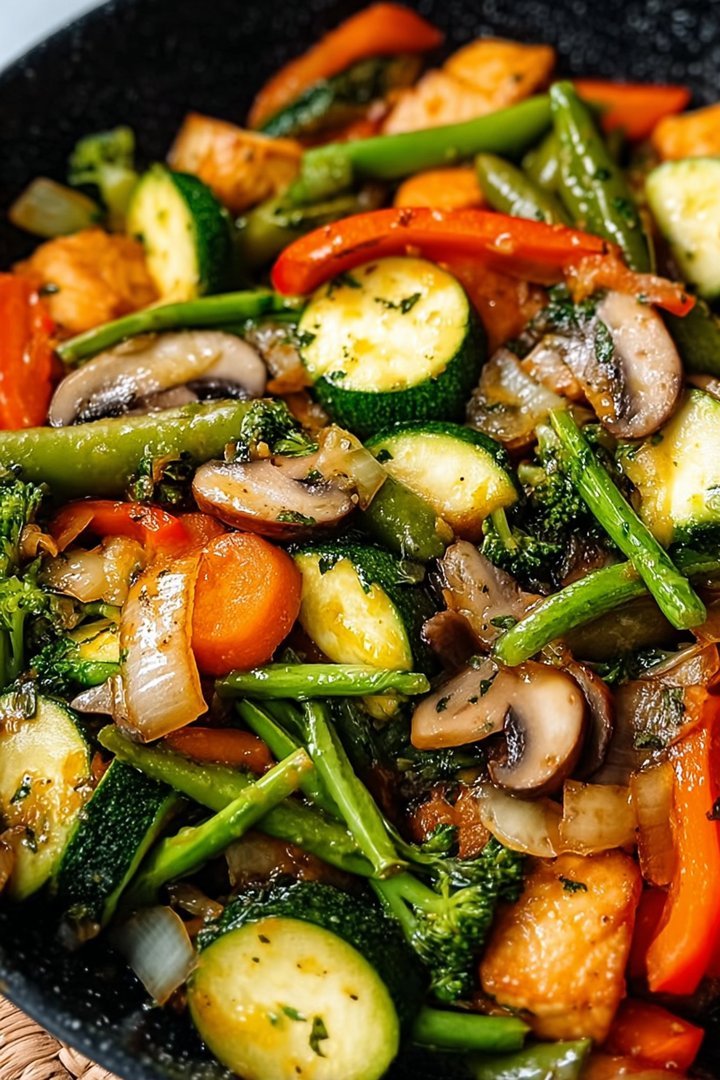
Healthy Sautéed Vegetables Recipe
Delicious healthy sautéed vegetables recipe recipe with detailed instructions and nutritional information.
- Total Time: 35 minutes
- Yield: 4 servings
Ingredients
- Broccoli florets: 2 cups
- Bell pepper (any color), chopped: 1 cup
- Carrots, sliced: 1 cup
- Onion, chopped: 1/2 cup
- Garlic, minced: 2 cloves
- Olive oil: 2 tablespoons
- Soy sauce (low sodium): 1 tablespoon
- Sesame seeds: 1 teaspoon
Instructions
- Step 1: Heat olive oil in a large skillet or wok over medium-high heat.
- Step 2: Add the chopped onion and cook for 2-3 minutes, until softened and translucent. Then add the minced garlic and cook for another minute until fragrant.
- Step 3: Add the broccoli florets, bell pepper, and carrots to the skillet.
- Step 4: Sauté the vegetables for 5-7 minutes, stirring frequently, until they are tender-crisp.
- Step 5: Pour the soy sauce over the vegetables and stir to coat evenly. Cook for another minute.
- Step 6: Remove from heat and sprinkle with sesame seeds before serving.
Notes
- Store leftovers in an airtight container in the refrigerator for up to 3 days.
- For best results when reheating, stir-fry the vegetables in a skillet with a touch of olive oil until warmed through.
- Serve these vibrant vegetables over quinoa or brown rice for a complete and nutritious meal.
- Don't overcrowd the pan; sauté in batches if needed to ensure the vegetables get a nice sear and don't steam.
- Prep Time: 15 minutes
- Cook Time: 20 minutes
- Method: Stovetop
- Cuisine: American
FAQs
Can I add other vegetables to this Healthy Sautéed Vegetables Recipe?
Absolutely! The beauty of this sautéed vegetable recipe is its versatility. Feel free to toss in your favorites! Bell peppers, zucchini, broccoli florets, or even some chopped asparagus would be fantastic additions. Just keep in mind that different vegetables have different cooking times, so add them in order of how long they take to cook. Harder veggies like carrots should go in first, while leafy greens should be added last. Get creative and make it your own vibrant vegetable medley!
What’s the best way to store leftover sautéed vegetables?
Proper storage is key to enjoying your healthy sautéed vegetables later. Let the vegetables cool completely before transferring them to an airtight container. Store them in the refrigerator and they should be good for 3-4 days. When you’re ready to reheat, you can microwave them, sauté them in a pan with a little bit of oil, or even add them to a soup or stew. This is a great way to reduce food waste and enjoy a quick and healthy side dish throughout the week.
How can I make my Healthy Sautéed Vegetables Recipe more flavorful?
There are tons of ways to amp up the flavor! Experiment with different herbs and spices. Garlic powder, onion powder, paprika, or even a pinch of red pepper flakes can add a delightful kick. A squeeze of lemon juice or a splash of apple cider vinegar at the end of cooking can also brighten the flavors. Consider adding a sprinkle of toasted sesame seeds or a drizzle of your favorite vinaigrette before serving. Get adventurous and find your perfect flavor combination!
My vegetables are soggy. What did I do wrong?
Soggy vegetables are a common sautéing woe, but easily avoidable. The biggest culprit is overcrowding the pan. When there are too many vegetables in the pan, they steam instead of sauté, leading to a mushy texture. Make sure to use a large enough pan and don’t overcrowd it. Another tip is to ensure your pan is hot before adding the vegetables. A hot pan helps them to sear quickly, preventing them from releasing too much moisture.





Leave a Comment